In May 2026, a technology executive named Rainier Mallol published a white paper titled "The Operative Republic." The premise was clean and appealing: before governments can use artificial intelligence to improve public services, they need to build shared operating infrastructure. Identity systems. Workflows. Rules. Registries. Payments. Notifications. Audit trails. Service orchestration.
It was smart thinking. The paper was based on his work modernizing the Dominican Republic's construction permitting system. He had experience. He had examples. And he had a clear message: if the government would just build the right foundation, AI could make everything work better.
The problem with this vision is that it assumes the Dominican Republic has already built the foundation that matters.
The Dominican Republic does not.
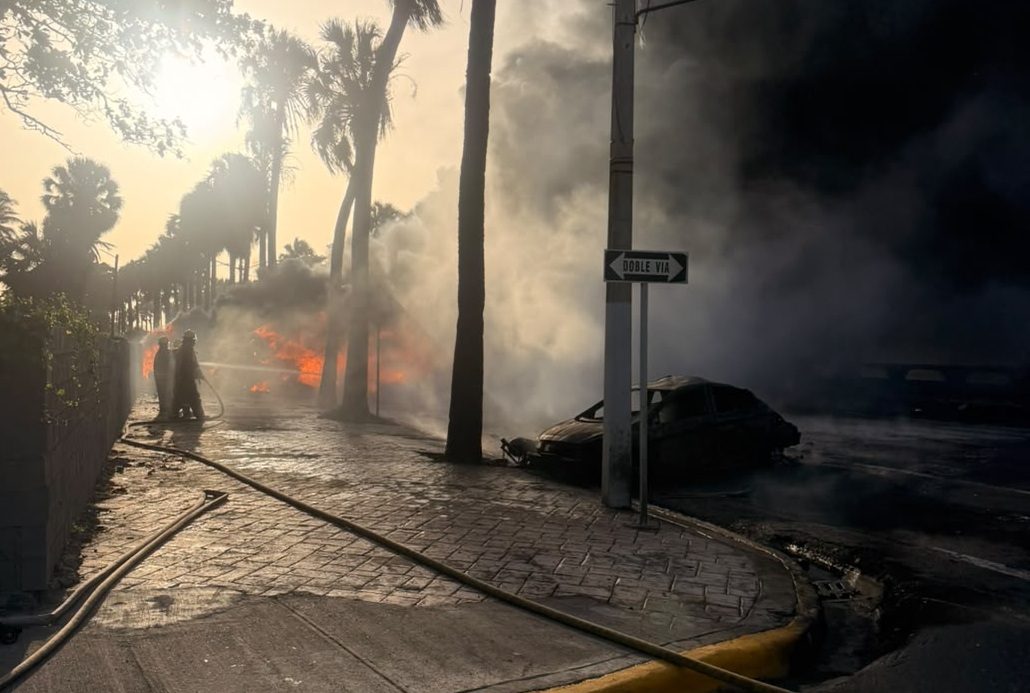
While Mallol was writing about digital infrastructure and service orchestration, the country was grappling with something more fundamental. The electricity system was collapsing. Not metaphorically. The grid has been failing since at least 2020, and the failures continued through 2025 and into 2026. The government is spending more than 1.5 billion dollars annually in subsidies to keep an electricity system from completely failing. Blackouts have disrupted basic services across provinces. Urban transit has ground to a halt. Economic activity has been displaced.
This is not a problem that AI solves. This is not a problem that better workflows or smarter service orchestration fixes. This is a problem that exists because the Dominican Republic never invested the discipline to build reliable electrical generation and distribution in the first place.
The water system has the same problem. Public water is not potable in most cities. Communities lack access to clean drinking water. The system does not reach people who need it. The government negotiated a National Water Pact for 2021 to 2036, acknowledging the crisis. But recognition and action are not the same thing. The infrastructure still does not exist.
Roads collapse. Communities become isolated. Bridges fail under normal rain. These are not technology problems.
Here is what makes Mallol's white paper important for DR2028: it represents a seductive lie that the Dominican government keeps telling itself.
The lie is that if we just improve our processes, digitize our bureaucracy, use better tools, everything will work. If we put AI on top of it, we will be excellent. If we build the right data systems and workflows, government will be efficient.
It is appealing because it is cheaper than the real solution. Building a reliable electricity system costs money. Building water infrastructure costs money. Making roads durable costs money. Making bridges that survive rain costs money.
Building AI-powered permitting systems costs less. So the government invests in Mallol's vision while the electricity grid fails.
This matters because it reveals something critical about how the Dominican Republic thinks about governance. The country will spend resources on technology solutions to government services while allowing the basic services themselves to fail. It will digitize the process of filing a permit while failing to ensure the building being permitted has water and electricity. It will create better workflows while the systems those workflows describe do not actually function in reality.
Mallol was right that the government needs better operating infrastructure. He was profoundly wrong about what that means. Operating infrastructure is not digital. It is not technology. It is electricity. It is water. It is roads. It is the basic physical reality that has to exist before any permitting system, any government service, any AI chatbot can matter.
You cannot have an operative republic with an inoperative grid.
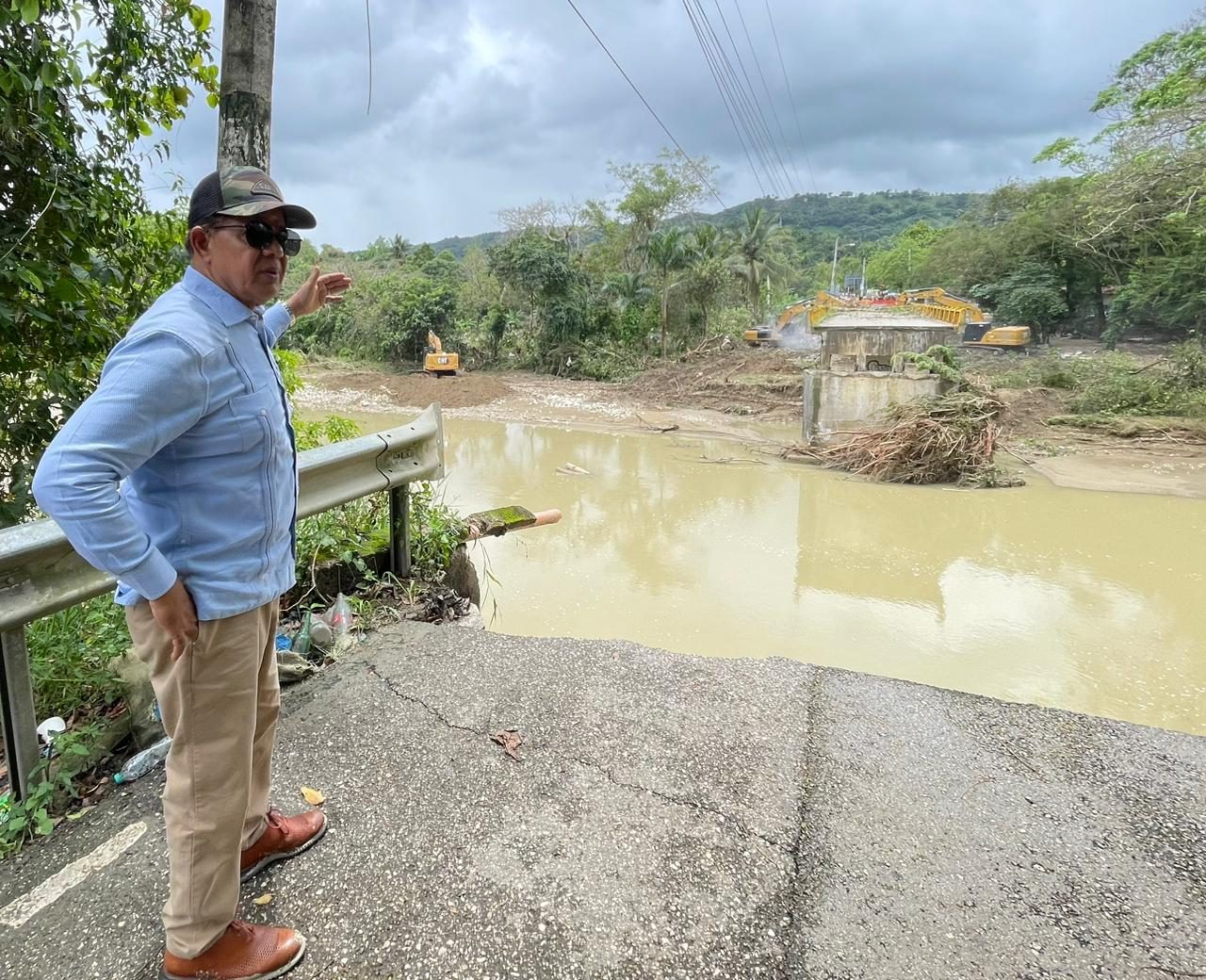
This is what April taught us. The Camú Bridge collapsed. Five thousand people were displaced. Forty-two communities went isolated. The government response was to send technical teams to evaluate what went wrong, like it was a surprise. Like bridges failing in rain was unexpected.
It was not unexpected. It was inevitable. Because the Dominican Republic has never committed to the discipline required to build infrastructure that survives what weather actually does.
Now Mallol comes in May with a paper about AI and better government services. And the government will probably listen to him. Because listening to Mallol is easier than doing what actually needs to happen.
What needs to happen is someone, somewhere, in the government of Dominican Republic has to make a choice. The choice is not between traditional bureaucracy and AI-enhanced bureaucracy. The choice is between continuing to pretend that better processes matter when the foundation does not exist, or actually building the foundation.
That means finishing the electricity system. Not subsidizing it indefinitely. Not waiting for the next blackout to declare a crisis. Finishing it. Making it work. Making it reliable.
That means building water infrastructure that reaches all Dominicans with potable water. Not negotiating pacts. Building it. Completing it. Requiring that every community has water before building anything else.
That means making roads and bridges that survive normal weather. Not treating bridge collapses like technical failures to evaluate. Treating them like what they are: evidence that the government has failed to build.
Until those things happen, every AI project, every digital workflow, every modernized permitting system is just making the operating republic slightly more efficient while the republic itself is not operating.
This is what DR2028 needs to say in May.
Not that technology is bad. Not that Mallol is wrong. But that the government cannot continue to use technology as a substitute for the hard work of building actual infrastructure. The Dominican Republic is trying to have an AI-powered government without a functioning electrical grid. It is like trying to have a digital banking system when half the country has no water.
The priorities are inverted.
And they are inverted because building real infrastructure is hard and expensive and takes years. Building a AI white paper takes months. The government will choose the easier thing. It always does.
But the Dominican Republic cannot be excellent at permitting processes while failing at electricity. It cannot be efficient at government services while cities go dark. It cannot call itself an operative republic while the basic systems that make operation possible simply do not function.
DR2028 exists because someone needs to say this clearly: stop investing in solutions to problems you have not actually solved. Stop talking about AI-driven government services. Start finishing the electricity system. Start building water infrastructure. Start making bridges that survive rain.
Then, after the foundation is actually built, after the basic systems actually work, after the country actually operates reliably, then have the conversation about AI and better government services.
Until then, Mallol's white paper is just a distraction from what needs to happen.
And the Dominican Republic cannot afford distractions. Not anymore. Not when the electricity grid is failing and bridges are collapsing and forty-two communities go isolated by predictable rain.
The operative republic does not require smarter processes. It requires a government willing to build.