Introduction
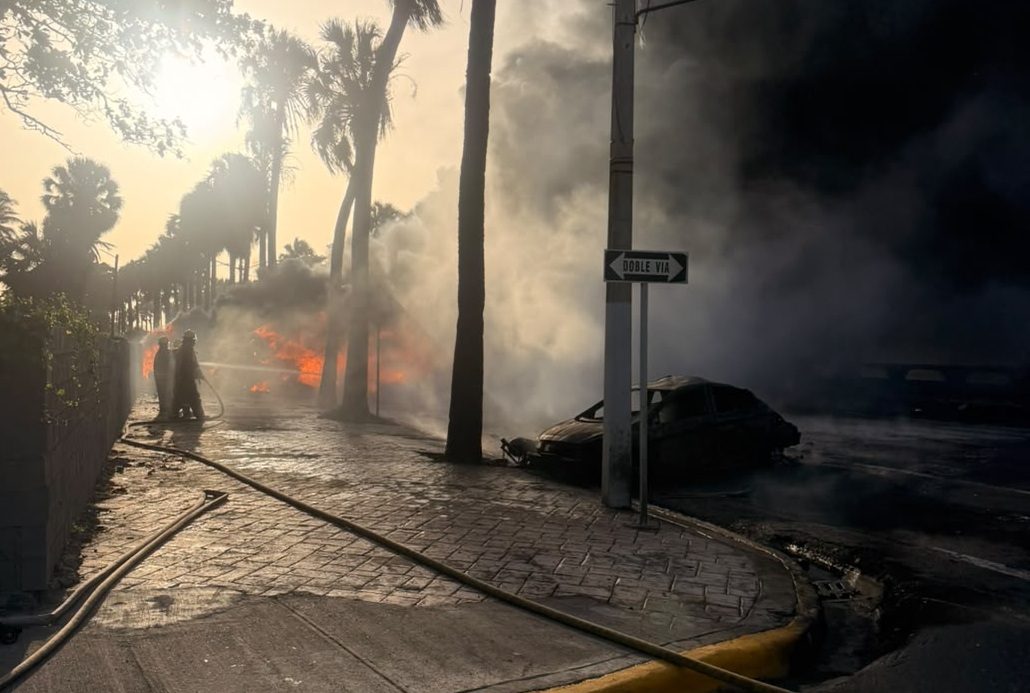
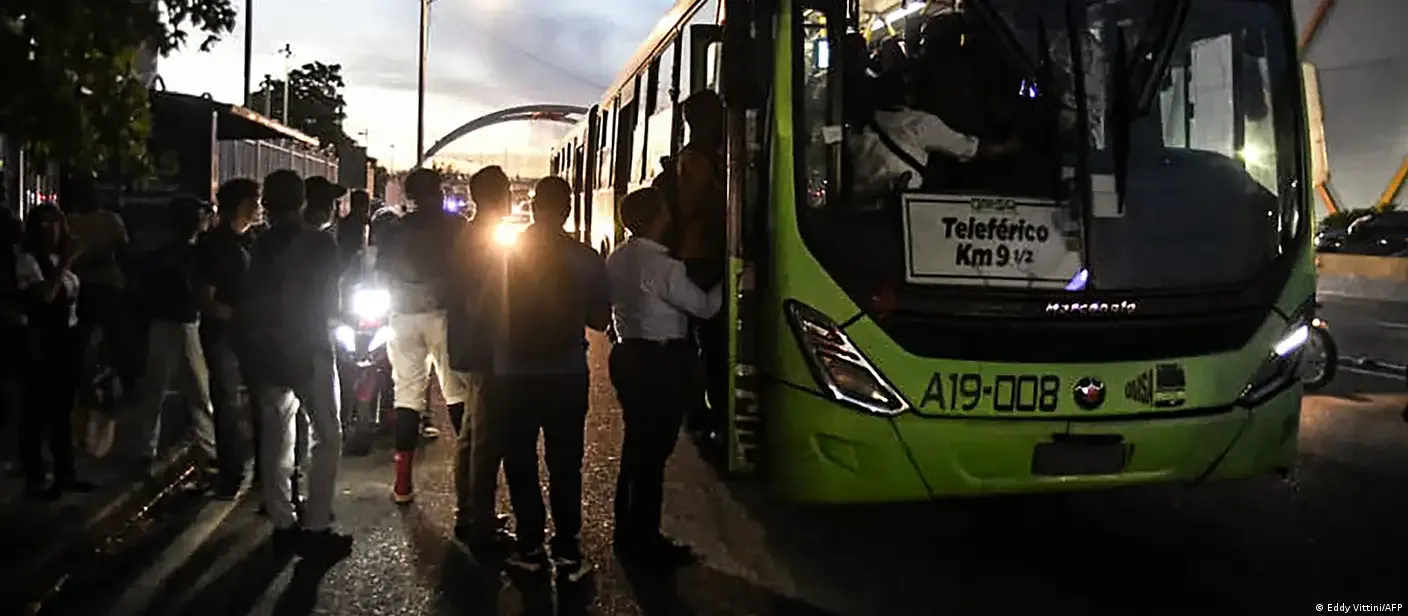
On November 11, 2025, the Dominican Republic went dark. A nationwide blackout plunged Santo Domingo, Punta Cana, and the entire country into darkness for approximately five hours. Traffic gridlocked. The metro system stopped. Hospitals switched to backup power. Businesses closed. Hundreds of thousands of people sat in the dark in the middle of the day.
The cause, according to authorities: human error during line maintenance work at the San Pedro de Macorís and Quisqueya Power Plants.
Human error. Two words that hide a much larger problem.
A human mistake shouldn't bring down an entire nation's electrical grid. The fact that it did reveals something fundamental about Dominican infrastructure: it's fragile, poorly designed, and inadequately managed. And that's not just a technical problem. It's a governance failure.
What actually happened: The mechanics of collapse
Here's what we know about the November 11th blackout:
At approximately 11:00 a.m., personnel at two major power plants (San Pedro de Macorís and Quisqueya) were conducting routine line maintenance.
A mistake during that maintenance triggered a shutdown of generation units at both plants.
These two plants weren't just part of the grid. Their sudden shutdown caused a cascade effect: all other power generation units in the country shut down automatically in protection mode.
Within minutes, the entire Dominican electrical system went offline.
Five hours later, power was restored.
The official explanation: human error during maintenance.
But here's the real question: In a modern electrical grid, how does a mistake by maintenance workers at two plants cause a total national collapse? The answer reveals everything about Dominican infrastructure governance.
Why this matters: The grid is supposed to be resilient
Electrical systems in developed and well-managed countries have built-in safeguards. These include:
Redundancy. If one plant goes down, other plants automatically pick up the load. No single failure should bring down the whole system.
Sectional isolation. If there's a problem in one region, you can isolate that section without affecting the whole country.
Automatic protection systems. When something goes wrong, the system is designed to fail gracefully, not catastrophically.
Distributed generation. Smaller power sources spread across the country so no single location controls everything.
Operator training and protocols. Maintenance procedures should be designed so that human error doesn't cascade into system failure.
The Dominican Republic has none of these effectively. Or if they exist on paper, they're not working.
A single mistake at two plants shouldn't take down the entire country. The fact that it does means the grid isn't engineered for resilience. It's engineered for fragility.
The red flags
Looking at what happened and what we know about Dominican electricity infrastructure, here are the serious concerns:
Single points of failure. If two plants can shut down the entire system, those plants aren't redundant. They're essential. That's a design flaw, not a management issue.
Inadequate maintenance protocols. If routine maintenance can cause a cascade failure, the maintenance procedures themselves are unsafe. Workers should be unable to accidentally trigger a national shutdown.
Poor automation and protection systems. Modern grids have automatic systems that isolate problems before they spread. The Dominican system appears to cascade failures instead of containing them.
Insufficient grid monitoring. Real-time monitoring systems should detect problems immediately and trigger automatic responses. If that's not happening, the monitoring infrastructure is inadequate.
Lack of backup systems. Hospitals, water treatment, communications, government services should all have backup power or alternative systems. Some do. Many don't. That means a five-hour blackout becomes a five-hour crisis.
Underfunded maintenance. The Dominican electricity sector is notoriously underfunded. Maintenance is deferred. Equipment is aging. Workers are stretched thin. A maintenance error happens when people are rushing and systems are neglected.
No independent investigation. After the blackout, there was no independent technical investigation published. Just the official explanation: human error. But who investigates the investigators?
Institutional fragmentation. The Dominican electricity sector is split between state-owned companies, private operators, and different regulatory bodies. When something goes wrong, it's unclear who's actually accountable.
The larger system problem
The November 11th blackout is part of a pattern. Power outages are chronic in the Dominican Republic. People regularly experience cuts lasting six to ten hours. But a nationwide blackout is different. It's a sign that the core infrastructure is broken.
This didn't happen by accident. It happened because:
The Dominican government chronically underfunds the electricity sector.
Political interference prevents rational long-term planning and investment.
Corruption and mismanagement divert resources away from maintenance and upgrades.
The regulatory framework is weak and unenforced.
There's no independent oversight of grid operations.
When you combine chronic underfunding, political interference, corruption, weak regulation, and no oversight, you get a fragile system. And a fragile system fails catastrophically.
Economic and governance consequences
A five-hour blackout costs the Dominican Republic real money:
Lost business productivity and sales.
Damage to equipment and inventory from sudden shutdowns.
Lost exports, missed deadlines, damaged supply chains.
Medical emergencies and disrupted hospital services.
Loss of confidence from foreign investors and tourists.
But the deeper cost is institutional. When critical infrastructure fails, people lose confidence in government. They see that the state can't maintain the basic systems that keep society functioning. That erodes legitimacy.
And it becomes a political opening for either stronger authoritarianism (crackdown on "inefficiency") or for organized criminal networks to fill the void (private generators, informal electricity, extortion).
Neither is good for governance.
What needs to happen: Concrete infrastructure reforms
If the Dominican Republic is serious about being a modern economy, the electricity sector needs comprehensive reform. Not Band-Aids. Real change:
Independent technical audit of the entire grid. Bring in international experts. Map every vulnerability. Publish findings. No hiding behind "human error."
Grid modernization plan with real funding. Design a resilient grid with redundancy, sectional isolation, distributed generation, and automatic protection. Cost money. Do it anyway. It's foundational.
Separation of operations from politics. Electricity grid operations must be insulated from political interference. Operators need multi-year mandates and protection from arbitrary removal.
Independent regulatory authority. Create a technical regulator (not political appointee) with authority to set standards, conduct investigations, and enforce consequences.
Mandatory maintenance protocols. Design and enforce maintenance procedures that make cascade failures impossible. If a worker makes a mistake, the system contains it automatically.
Real-time public monitoring. Publish grid status data in real time. Every power plant's output. Every substation's voltage. Every major outage. Citizens should be able to see what's happening.
Backup power for critical infrastructure. Hospitals, water treatment, communications, emergency services must have guaranteed backup power. Make it mandatory and inspected.
Transparent accident investigation. When something goes wrong, investigate independently. Publish findings. Hold people accountable. No sweeping it under the rug.
Investment in renewable and distributed generation. Don't just rely on centralized coal and fuel plants. Build solar, wind, small hydro, battery storage. Distributed systems are more resilient.
Workforce training and retention. Pay electricity workers well. Train them continuously. Keep experienced people. Shortcuts with staff create mistakes.
International technical assistance. Partner with utilities in developed countries. Learn how they design resilient systems. Adapt those models to Dominican conditions.
What citizens and businesses should demand
You don't have to be an engineer to demand better. Here's what's non-negotiable:
Transparency. Publish grid data, outage reports, and audit findings publicly.
Accountability. When infrastructure fails, investigate and report. Don't just blame individual workers.
Investment. The electricity sector needs real money. That means either higher rates, government funding, or both. But it has to happen.
Resilience. No single failure should take down the whole country. That's not acceptable.
Timeline. Ask for specific commitments. Not "we'll improve." A plan with dates and milestones.
Independent oversight. Citizens and civil society should have access to grid data and be able to conduct independent analysis.
Potential objections and responses
Some will argue:
"Grid modernization is too expensive." — Yes, it costs money. But a fragile grid costs more in lost productivity, damaged equipment, and lost investment. A modern grid pays for itself.
"Human error will always happen." — True. But infrastructure design should make human error non-catastrophic. That's basic engineering.
"We need foreign investment to fix this." — Maybe. But the Dominican government has to be serious about reform first. Foreign investors won't commit to a broken system.
"Other Caribbean countries have the same problems." — Also true. But that's not an excuse. Use it as motivation to do better.
"This takes too long to fix." — Infrastructure does take time. Start now anyway. The grid will fail again before it's fixed. Each failure should drive faster reform.
Conclusion
The November 11th blackout wasn't a fluke. It was a symptom. A critical system failed because it was designed to fail. Years of underfunding, political interference, inadequate maintenance, and lack of oversight created a grid that can't handle even routine operations.
This is a governance problem dressed up as an engineering problem.
The Dominican Republic aspires to be a modern Caribbean economy. It talks about investment, growth, tourism, nearshoring. But you can't build any of that on a fragile electrical grid. Investors want reliability. Tourists want electricity. Businesses want power they can depend on.
Until the Dominican government treats electricity infrastructure as a governance priority and commits real resources and political will to modernizing the grid, these blackouts will keep happening. And each one will cost more.
The November blackout is a warning. The next one is inevitable. The question is whether the government will actually learn from it, or just wait for the next crisis.
Demand better. A functioning grid isn't luxury. It's the foundation everything else is built on.