Walk through any neighborhood in the Dominican Republic after dark and you’ll see the struggle written in shadow. You’ll hear it in the hum of diesel generators, the anxious talk about the next blackout, and the silent frustration of parents trying to keep their families safe and comfortable with little more than candlelight. We have to be honest: electricity is no longer just a luxury or a convenience. In 2025, electric is survival—it’s how we cook, how we learn, how we earn a living, and, just as important, how we stay safe.
But for millions of Dominicans, steady, 24/7 electricity remains a promise never delivered.
Why So Many Blackouts? The Truth Nobody Wants To Say Aloud
Let’s lay out the reasons in plain sight, because unless we face them, nothing changes:
- Corruption: For decades, power sector “reforms” have lined the pockets of the same old faces—contracts padded, funds diverted, maintenance budgets “lost” in the maze. Money meant to modernize the grid instead vanishes into personal bank accounts or political campaigns.
- Power Theft: Let’s not sugarcoat it. Yes, thousands of people are forced to steal power just to keep their fridges cold or their fans on. But this vicious cycle makes the system weaker, raises costs for everyone else, and—ironically—gives the corrupt another excuse for the failures.
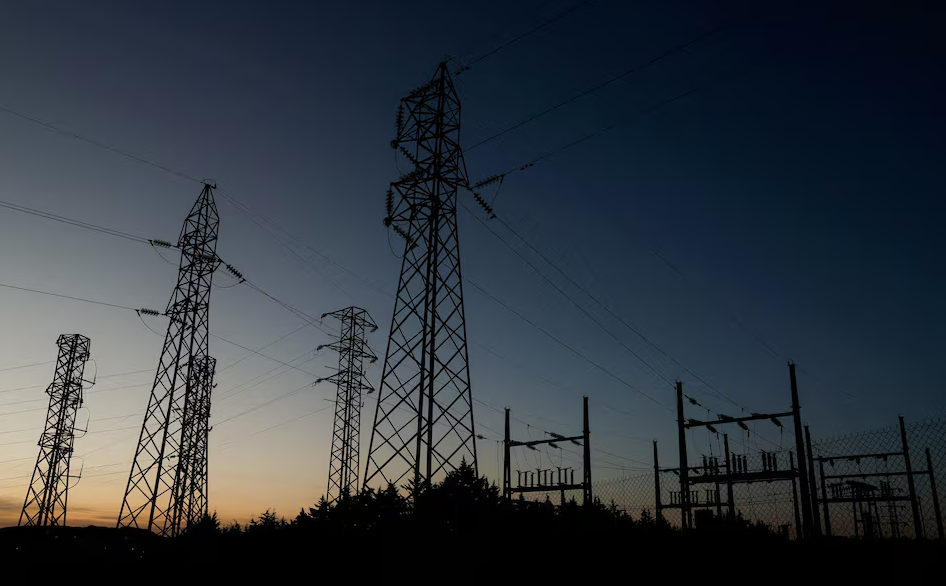
- A System Older Than Our Grandparents: The grid is outdated, patched together with short-term fixes and last-minute loans. Transmission lines snap in the wind, transformers overheat, and half the power plants run like they’re from a different century.
- Endless Loans, Zero Results: Every year, we hear about new loans from the World Bank, the IMF, or some other acronym. Billions borrowed, but ordinary people still face the same blackouts. Where did that money go? Why isn’t it lighting up our homes?
- Catlatina & The Seaweed Disaster: And now, in what sounds like a bad joke, the brand-new Catlatina power plant—a supposed symbol of progress—is knocked offline by seaweed. Yes, you read that right: seaweed clogs the intake, and the lights go out for half the country.
- Promises, Promises: The president says a new 600MW plant in Monte Cristi is coming and that this will “solve” the problem. But how many times have we heard that before? How many “solutions” never deliver for the people who actually need them?
Why 24/7 Electricity Matters for Every Citizen
When you talk about power outages, it’s more than just an inconvenience. It’s about dignity, safety, and the right to live a modern life. Here’s what constant blackouts actually mean for real people:
- Families can’t cook, store food, or keep medicines cold.
- Kids can’t do their homework, and businesses lose money every hour the lights are off.
- Hospitals risk lives when the power flickers.
- The streets become dangerous at night—no lights, no security.
Having reliable electricity is the difference between fear and comfort, between chaos and stability, between opportunity and being left behind. This is why the world now recognizes electricity as a human right. It’s as basic as clean water or the freedom to walk the streets at night without fear.
The Question: Why Can’t the DR Have 24/7 Power Like the U.S. or Europe?
It’s a fair question. We have the talent, the resources, and the will. The problem isn’t the people—it’s the system. Until now, too many have profited from the crisis. Fixing it means facing hard truths:
- We need real transparency—every peso spent on power reform must be tracked and shown to the public. No more secret deals.
- Stop the patchwork. Rebuild and modernize the grid with local companies and outside partners who actually deliver, not just collect checks.
- Invest in renewables—solar, wind, and waste-to-energy. Let’s turn our trash into power, our sun into safety, and stop relying on foreign fuel.
- Crack down on corruption and theft, but also offer fair tariffs so people aren’t forced to steal just to survive.
- Give communities a voice in how power is delivered and priced. They know what’s needed on their street.
DR2028: Turning the Lights On, For Good
The vision for DR2028 is simple: Electricity for every Dominican, 24/7, no excuses. This isn’t just a dream—it’s a demand. And it’s one we can win if we stand together and refuse to accept the same old excuses. We want a system where:
- Every home, business, and school has reliable, affordable power.
- The government publishes real-time updates on power generation, outages, and spending—no more hiding in the dark.
- New plants are built smart, not just fast, and are protected against disasters, whether it’s hurricanes or seaweed.
- When a blackout happens, the people responsible are named and held to account. No more hiding.
The Bottom Line: It’s About Safety, Stability, and Hope
Imagine the Dominican Republic with every street lit at night. Kids safe to play outside, parents not worrying about food spoiling, workers able to focus on building a better life instead of buying batteries and candles. That’s what 24/7 electricity brings. It’s about respecting the basic dignity of every citizen.
So let’s stop treating electricity like a privilege handed down from above. Let’s call it what it is: a human right. And let’s fight—together—to make sure nobody ever gets left in the dark again.
This is the promise of DR2028. Let’s turn the lights on and keep them on, for everyone. The future depends on it.