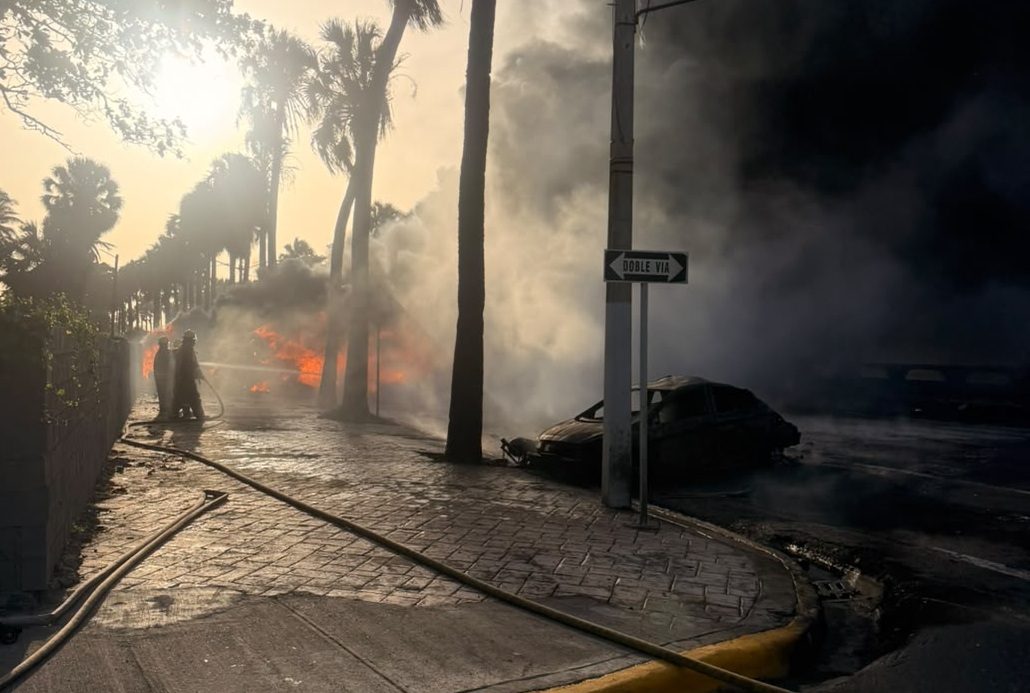
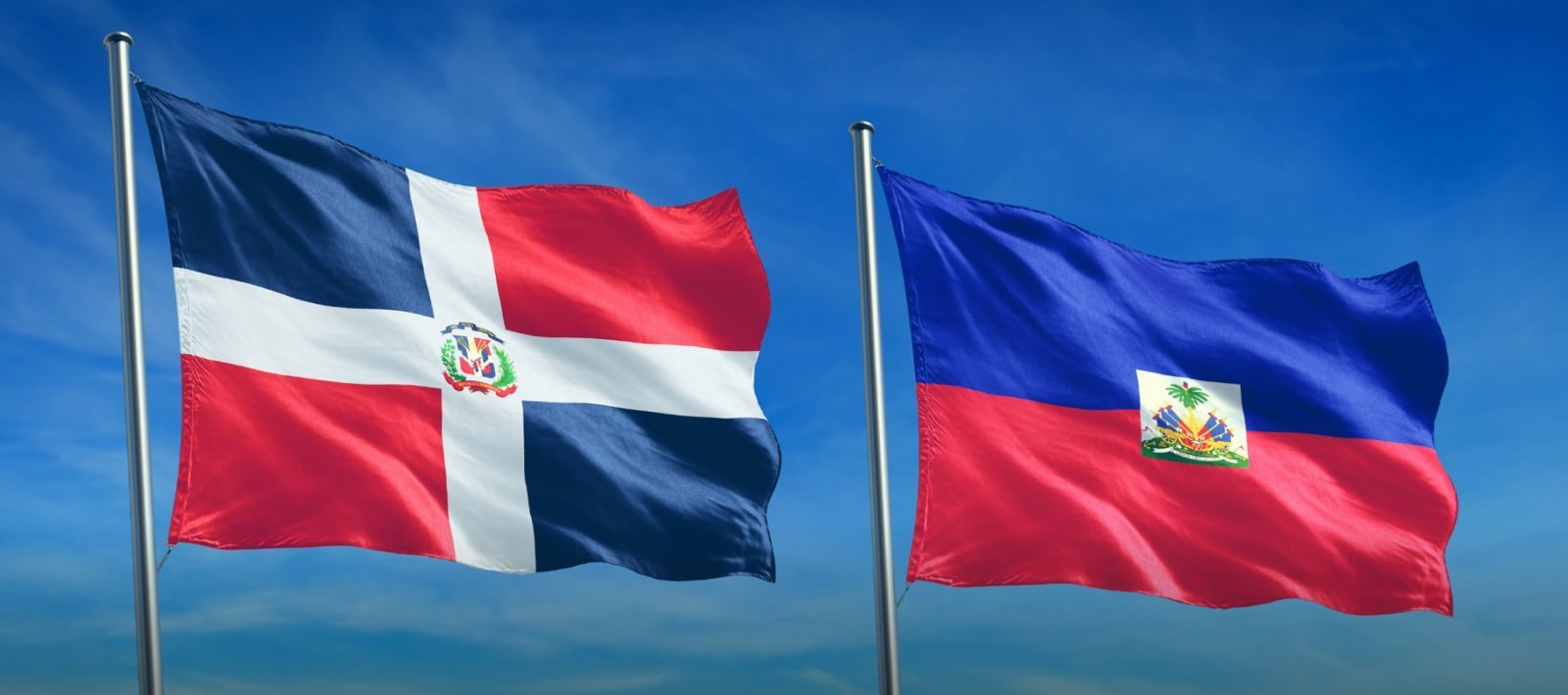
There’s no denying the pain in our neighborhood. Right across the border from us, Haiti faces one of the most difficult chapters in its history: chaos, gang violence, hunger, fear, and the collapse of daily life as people once knew it. My heart aches when I see the news, when I hear stories of mothers fleeing with children, of businesses burning, of schools shuttered and silent. No human being can be indifferent to such suffering.
But even as our compassion runs deep, there’s a truth that must be spoken, firmly and without shame: the Dominican Republic cannot and should not be held responsible for solving Haiti’s problems.
We are not Haiti’s government. We do not run Haiti’s police or courts. We do not control their political parties, nor did we create the gangs terrorizing the streets of Port-au-Prince. The notion that we are somehow obligated to “take charge” of Haiti’s affairs is both unrealistic and unfair—not only to us but to the Haitian people themselves, who deserve the right to rebuild their nation under their own sovereignty and leadership.
Recently, groups like Amnesty International have voiced strong criticisms of the Dominican Republic, implying that we must go further than border controls or humanitarian aid, that we should effectively step in and manage Haiti’s crisis. That suggestion sounds noble on paper, but it’s divorced from reality. The Dominican Republic is a sovereign country with its own set of challenges—economic, social, and political.
Here’s the simple fact: we barely have enough resources to address our own poverty, unemployment, education gaps, and public health needs. We’re fighting to modernize our infrastructure, grow our economy, keep our neighborhoods safe, and ensure opportunity for future generations. We cannot pour our national resources, our security forces, and our social services into a situation we didn’t create and cannot solve alone.
It’s not cruelty—it’s survival.
This is not to say that the Dominican Republic turns its back on Haiti. Far from it. We have shared food, medical aid, and shelter. We’ve opened our hospitals and schools to those who flee violence. We’ve worked with regional partners and the international community to seek diplomatic solutions. We respect the Haitian people as our neighbors, our fellow islanders, and often as members of our own communities.
But we also know that for the Dominican Republic to stay strong and stable into the next decade, we must focus on our own national priorities.
Why our stability matters—now more than ever
If the Dominican Republic collapses under the weight of problems we cannot fix, who will help either of us then? If our economy breaks, if violence spreads, if our social fabric tears apart under pressure, the entire island loses.
It is precisely because we care about regional peace that we insist on clear borders and national security. Criminal gangs that hold sway in parts of Haiti cannot be allowed to spill into our territory unchecked. Dominican families deserve to walk their streets without fear. Dominican businesses deserve to operate without extortion or violence. Our children deserve to grow up in a country that is safe and hopeful.
This is why we maintain tight border controls. Why we enforce immigration laws. Why we push back when international organizations suggest we simply open our doors without limits. Because we know that the best way we can help Haiti is by remaining strong, safe, and capable on our side of the island.
A message to the world
To the international community, I say: we are willing partners in helping Haiti recover. We will sit at the table for solutions. We will give aid, share knowledge, and stand in solidarity. But we will not, and cannot, be Haiti’s government.
To those who insist we should “take over,” I urge you to reflect on history. Nations must solve their own crises, with support—but not with another country imposing rule or becoming responsible for decisions that are not theirs to make. Anything else leads to resentment, dependency, and new conflicts down the road.
A message to the Haitian people
To our Haitian brothers and sisters, I say this from the depths of my heart: we wish for your peace. We hope for your security. We believe in your future. And we stand ready to support efforts that help you rebuild a nation where your children can live free from fear.
But we also hope you understand that we must protect our own. Our duty is first and foremost to the people who call the Dominican Republic home. This is not rejection. It’s simply the reality of being two sovereign nations sharing one island.
Looking toward the future
The next decade is critical for us all. The Dominican Republic must stay focused on economic growth, sustainable development, education, and security. We have a vision through DR2028 to modernize our nation, to improve healthcare and infrastructure, to create jobs and lift people from poverty. We will not abandon that path, because it is the foundation for a stable island and a better future—for Dominicans and Haitians alike.
A stable, thriving Dominican Republic is the best neighbor Haiti could ever have. And that’s how we choose to help: by standing strong, by offering measured support, and by protecting our own country so that it can continue to stand, now and for decades to come.
May peace find its way back to Haiti. And may the Dominican Republic remain steadfast in working for its people, without shame, without apology, and with an open heart toward our neighbors—but with a clear understanding of our limits.
This is not selfishness. It’s survival—and ultimately, it’s the truest form of respect.