
Early Life and Business Endeavors
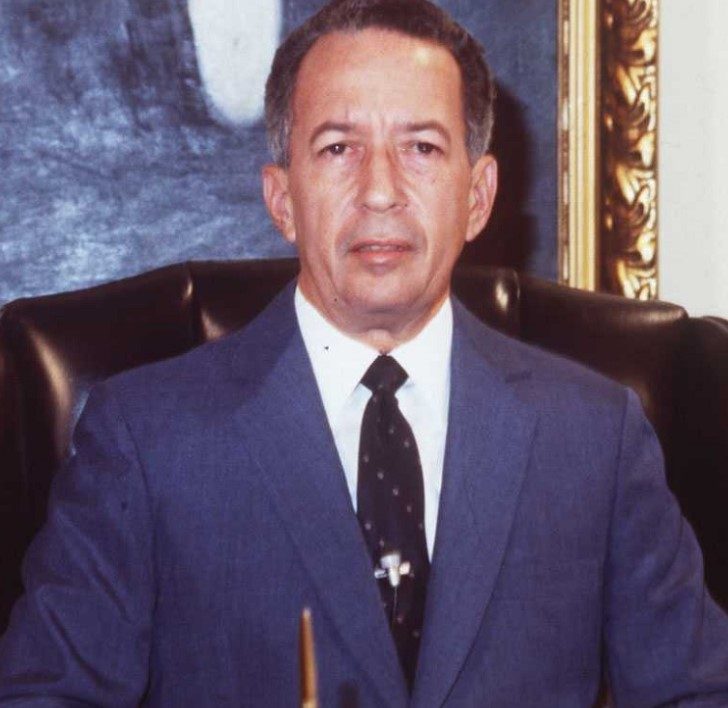
Born on February 12, 1911, in La Vega, Dominican Republic, Silvestre Antonio Guzmán Fernández began his professional journey at a young age. By 15, he was working in his family's textile store, and by 17, he managed branches of the Curaçao Trading Company. His entrepreneurial spirit led him to invest in agriculture, becoming a successful cattle rancher and exporter of Dominican fruits. He also founded Productos Dominicanos C. por A., a company dedicated to processing rice and other products.
Political Ascendancy
Guzmán's political career commenced in 1963 when he was appointed Secretary of Agriculture under President Juan Bosch. Following Bosch's ousting, Guzmán became an active member of the Dominican Revolutionary Party (PRD), holding positions in its National Executive Committee and Political Commission. He played a pivotal role during the 1965 civil war, proposing the "Guzmán Formula" to cease hostilities and advocating for free elections. Although he declined a provisional presidency to uphold democratic principles, he was instrumental in the transition to a provisional government.
1978 Presidential Election and Democratic Milestone
In 1978, Guzmán ran for president against incumbent Joaquín Balaguer. Despite initial attempts by the military to halt vote counting when Guzmán led, domestic protests and international pressure, notably from U.S. President Jimmy Carter, ensured the electoral process continued. Guzmán's victory marked the first peaceful transfer of power to an opposition member in the nation's history.
Presidency (1978–1982): Reforms and Challenges
Democratization and Civil Liberties
Guzmán prioritized restoring civil liberties and democratic institutions. He enacted an amnesty law releasing political prisoners and allowing exiles to return. Administrative measures that curtailed individual freedoms were repealed, fostering a more open political environment.
Military Reforms
Recognizing the military's historical role in political interference, Guzmán initiated reforms to depoliticize the armed forces. He reassigned or removed officers resistant to change and promoted younger, reform-minded individuals. These efforts aimed to establish a professional military subordinate to civilian authority.
Economic Initiatives
Facing a substantial national debt and economic downturn, Guzmán's administration focused on agricultural development. By implementing aggressive policies, the country achieved self-sufficiency in rice and beans for the first time. Infrastructure projects, including rural schools, health centers, and road repairs, were also prioritized.
Legislative Hurdles
Despite holding the presidency, Guzmán contended with a Congress dominated by Balaguer's Reformist Party, which often obstructed his reform agenda. This political gridlock limited the scope and effectiveness of his policies.
Natural Disasters
In 1979, Hurricane David devastated the Dominican Republic, exacerbating economic challenges and hindering recovery efforts. The disaster strained resources and tested the administration's capacity to respond effectively.
Tragic Demise and Legacy
On July 4, 1982, just weeks before his term concluded, Guzmán died by suicide in the National Palace. While officially deemed accidental, many believe he suffered from depression, possibly linked to political pressures and personal challenges.
Guzmán's presidency is remembered for its commitment to democratic principles, civil liberties, and efforts to reform entrenched institutions. His leadership marked a significant departure from authoritarian rule, setting a precedent for future democratic governance in the Dominican Republic.
Understanding Antonio Guzmán Fernández's contributions provides valuable insight into the Dominican Republic's journey toward democracy and the ongoing efforts to uphold these ideals.